

General Wards
Early detection of patient deteriorationTransforming patient safety on the general ward
The Corsano™ CardioWatch multi-parameter wearable is a medical-grade wrist device that captures up to 10 vital parameters continuously, with real-time tracking and predictive analytics to close monitoring gaps, detect deterioration earlier, and improve quality of care, safety, and clinical outcomes.
Lightweight, showerproof, designed to provide comfort for patients,, it connects seamlessly to hospital systems and extends visibility of patient vital signs from pre-operative optimization to post-discharge recovery.
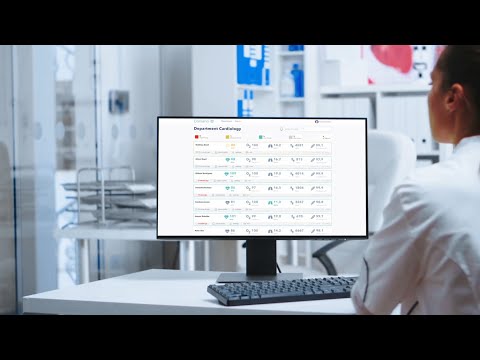
The problem: intermittent monitoring leaves patients unprotected
On general wards, vital signs are usually checked every 4–6 hours, leaving patients unmonitored ~95–96% of the time.
Curry JP, Jungquist CR. A critical assessment of monitoring practices, patient deterioration, and alarm fatigue on inpatient wards.
Patient Saf Surg. 2014;8:29.
Postoperative death is a global patient-safety crisis
The Lancet estimates that at least 4.2 million people die within 30 days of surgery
each year worldwide.
Global burden of postoperative death. Lancet. 2019;393(10170):401.
Most postoperative deaths occur on general wards
In the VISION study, 69.9% of 30-day postoperative deaths occurred in general wards,
when monitoring is least frequent.
Association between complications and death within 30 days after noncardiac surgery.
CMAJ. 2019;191(30):E830-E837.
Why Corsano: continuous monitoring for every patient
Heart rate
Oxygen saturation
Respiratory rate
Blood pressure
Core temperature
Activity & sleep
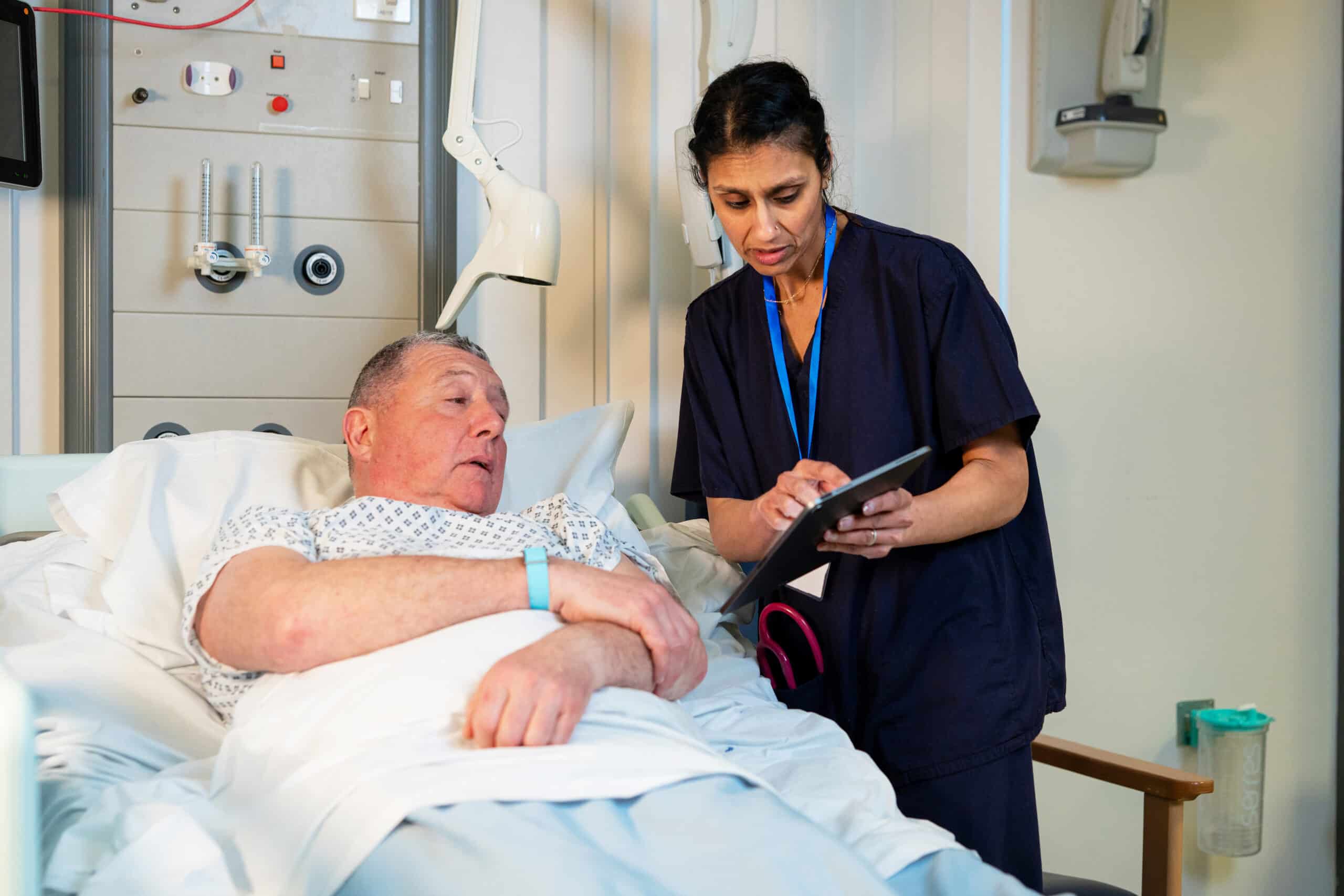
Wireless wearable for real-world wards
CardioWatch is unobtrusive and supports patient mobilization, rest and rehabilitation
without cables or interruptions.
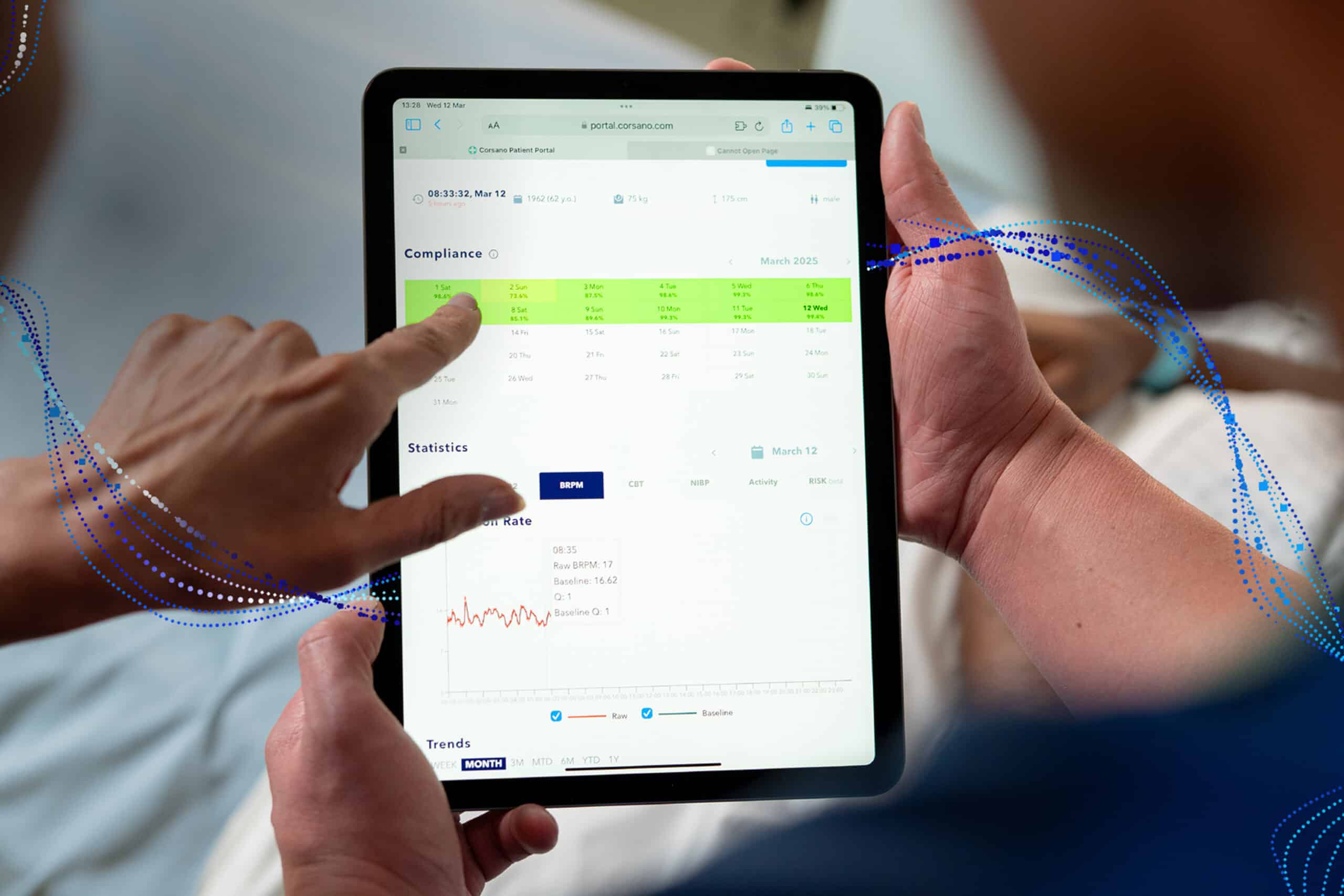
Secure data streaming & centralized oversight
Data streams to the Corsano Cloud and hospital dashboard, enabling early warning scores (EWS),
intelligent alarm routing and virtual monitoring teams.
Key benefits for hospitals
Earlier detection of deterioration
Reduced ICU transfers & Code Blue events
Workflow efficiency on busy wards
Improved patient comfort & mobility
Scalable across wards
Supports hospital-at-home models
Clinical workflow: how it works
Apply bracelet
Continuous capture
Cloud & dashboard
Intelligent alerts
Early intervention
Published evidence highlights
Ward monitoring gaps
On general wards, vital signs are checked every 4–6 hours, leaving patients unmonitored
~95–96% of the time.
Curry JP, Jungquist CR. Patient Saf Surg. 2014.
Magnitude of mortality
≥4.2 million people die within 30 days of surgery every year worldwide.
Nepogodiev et al., The Lancet. 2019.
Where deaths happen
69.9% of 30-day postoperative deaths occur in general wards.
VISION Study, CMAJ. 2019.
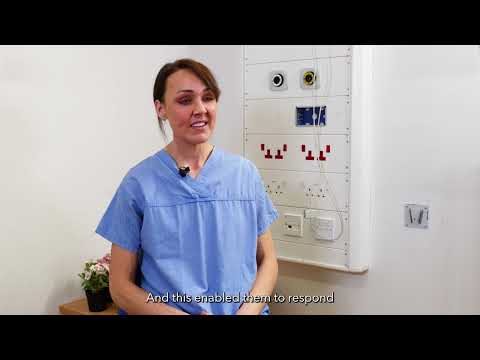

Building a data-driven, predictive care model
Corsano’s wearable devices are designed for continuous, comfortable use in hospital and post-discharge settings.
The system provides secure, near real-time data streaming to Corsano’s cloud platform and onward to Netcare’s
EMR and clinical systems, enabling:
- Automated early warning scores and predictive risk algorithms
- Centralized monitoring and alerting beyond ICUs and high-care units
- Reduced manual vital-sign documentation burden for nursing staff
- High-resolution datasets that can power clinical research and AI-driven innovation
Ready to close monitoring gaps on your wards?
Corsano CardioWatch delivers continuous multiparameter monitoring for safer, more efficient
in-hospital care.
Typical use cases
- Postoperative recovery
- Med-surg and step-down wards
- High-risk chronic patients
- Hospital-at-home programs
Ready to close monitoring gaps on your wards?
Corsano CardioWatch delivers continuous multiparameter monitoring for safer, more efficient
in-hospital care.
Typical use cases
- Postoperative recovery
- Med-surg and step-down wards
- High-risk chronic patients
- Hospital-at-home programs